
ALL CATEGORIES
LAUNDRY / CATEGORY FILE
DRYERS
A heat-pump dryer can use half the energy of a vented unit — but costs more up front. We calculate which technology actually pays back for your usage.
WHAT WE INVESTIGATE
- Drying technology (heat pump vs condenser vs vented)
- Energy per cycle and annual cost
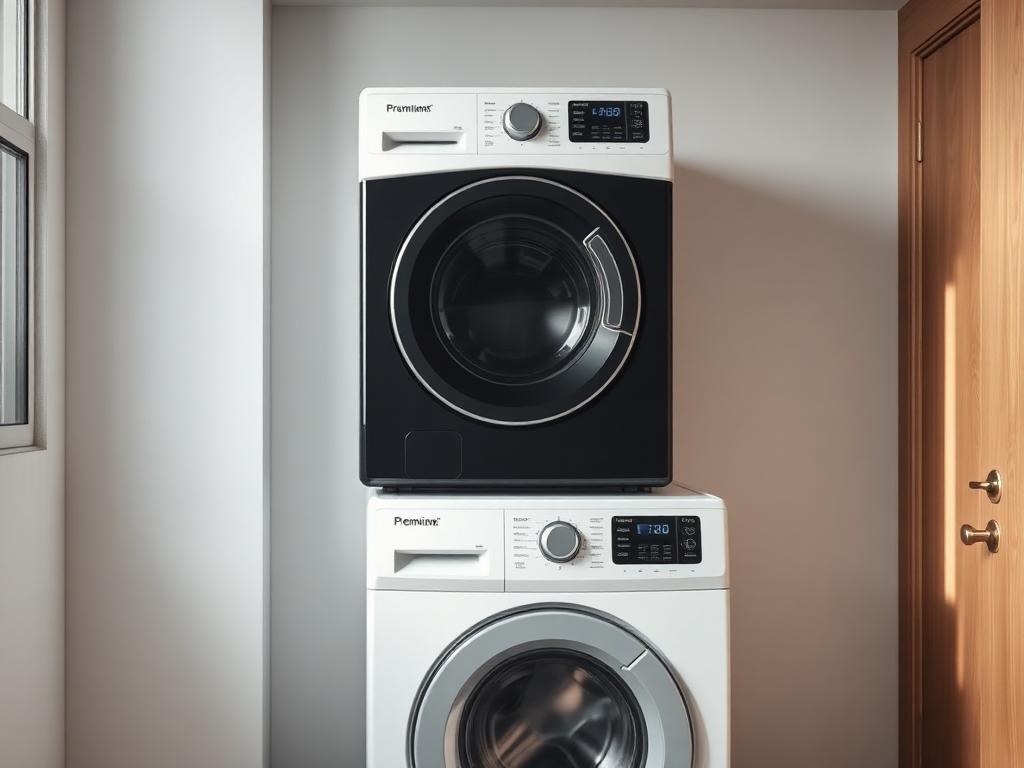
- Capacity matched to your washer
- Sensor drying accuracy
- Noise and cycle duration
- Drainage and installation requirements
- Filter & maintenance burden
SPECS THAT ACTUALLY MATTER
- HEAT PUMP
- Uses ~50% less energy than condenser models. Payback typically 2–4 years at family usage.
- CAPACITY
- Match or exceed your washer's drum — an 8 kg washer pairs with an 8–9 kg dryer.
- SENSORS
- Good humidity sensors prevent over-drying, protecting fabrics and saving energy.
- NOISE
- 64–66 dB is typical. Below 62 dB matters if the dryer sits near living space.
COMMON BUYING MISTAKES
- Buying a cheap vented dryer that costs more to run than to buy
- Mismatching dryer capacity with the washing machine
- Ignoring condenser drainage options during installation
- Underestimating lint-filter maintenance on heat-pump units
WHAT TO PRIORITIZE
- 01Drying technology and its 5-year energy cost
- 02Capacity match with your washer
- 03Sensor drying quality
- 04Installation and drainage requirements
IN THE LIBRARY
FULL LIBRARYRECENT CASES IN THIS CATEGORY
CATEGORY QUESTIONS
Heat pump or condenser dryer?
For regular use, heat pump almost always wins on 5-year cost despite the higher price. For occasional use, a condenser unit can be rational. We calculate both scenarios.
Why is my dryer so slow?
Heat-pump dryers run longer, gentler cycles — that's the efficiency trade-off. We check real cycle times, not just capacity claims.
Can a dryer go in a cupboard or small utility room?
Heat-pump and condenser models need airflow and ambient temperatures above ~5 °C. The Fit Check covers ventilation and placement constraints.
INVESTIGATE A DRYER NOW
Paste the link or model you're considering — the full nine-stage report takes under a minute.
OPEN A CASE