
ALL CATEGORIES
CLIMATE / CATEGORY FILE
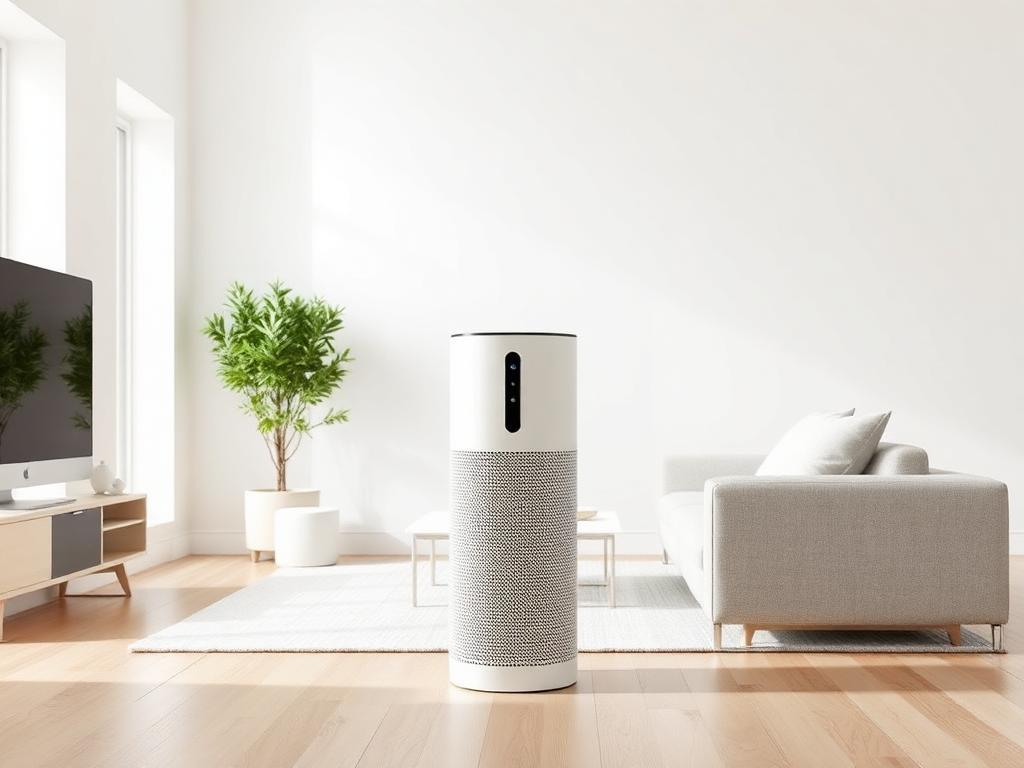
AIR PURIFIERS
Clean Air Delivery Rate, filter class and replacement filter cost define a purifier. App features and air-quality lights do not. We investigate accordingly.
WHAT WE INVESTIGATE
- CADR vs your room size
- Filter class (true HEPA vs 'HEPA-type')
- Activated carbon mass for odours/VOCs
- Noise at usable fan speeds
- Replacement filter cost and interval
- Sensor quality and auto-mode logic
- Energy use at continuous operation
SPECS THAT ACTUALLY MATTER
- CADR
- Target a CADR that cycles your room's air 4–5× per hour. A 30 m² room needs roughly 300+ m³/h.
- HEPA
- H13 true HEPA captures 99.95% at 0.3 µm. 'HEPA-type' is a marketing term with no standard.
- FILTERS
- Replacement filters run €30–80 per year — often 20% of purchase price annually.
- NOISE
- Sleep modes below 25 dB matter; but check noise at the speed that actually cleans your room.
COMMON BUYING MISTAKES
- Buying an undersized purifier for a large room
- Falling for 'HEPA-type' filters without a real classification
- Ignoring annual filter costs — they compound
- Paying for air-quality displays instead of CADR
WHAT TO PRIORITIZE
- 01CADR matched to room volume
- 02True HEPA classification
- 03Carbon filter mass if odours matter
- 04Filter replacement cost per year
IN THE LIBRARY
FULL LIBRARYRECENT CASES IN THIS CATEGORY
CATEGORY QUESTIONS
How do I know what size purifier I need?
Room volume × 4–5 air changes per hour gives the CADR you need. We compute this in the investigation from your room size.
Do air purifiers actually help with allergies?
True HEPA units demonstrably reduce airborne particulates like pollen and dust mite debris. They don't help with surfaces. We set expectations accurately per model.
What does an air purifier cost to run?
Electricity is modest (€15–40/year); filters are the real cost (€30–80/year). Both appear in the 5-year ownership figure.
INVESTIGATE A AIR PURIFIER NOW
Paste the link or model you're considering — the full nine-stage report takes under a minute.
OPEN A CASE